Termite Treatment for Homeowners
Request an estimate from a local provider
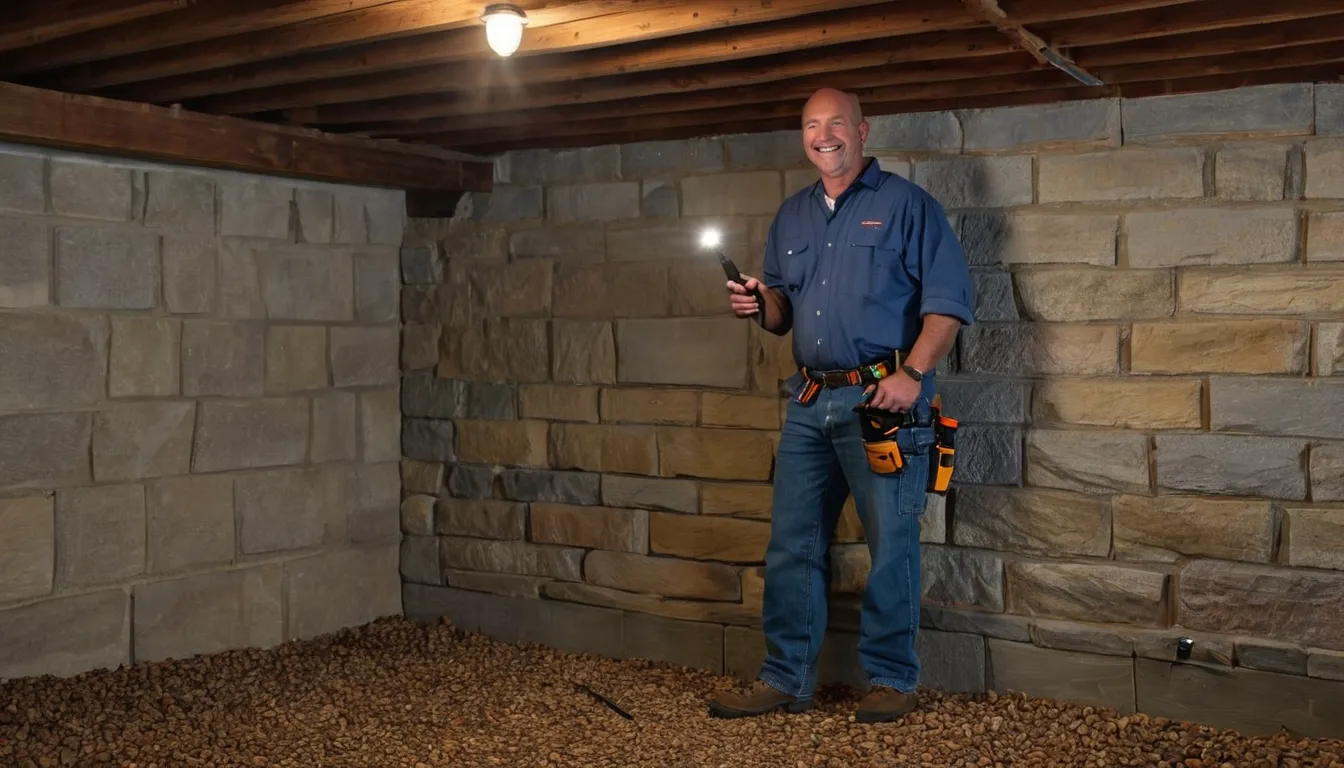
A lot of people think termites mean a house is falling apart. In practice, though, most infestations are found and treated before the damage gets serious. The key is knowing the signs and speaking with a licensed local provider early.
Reaffected Pest Control is a referral service. We do not inspect, treat or repair anything. We connect homeowners in the Peapack and Gladstone area with independent providers in our network, who do the work and set their own prices. Older houses with stone or block foundations, damp basements and past repairs often need extra care. Request an estimate to talk it through, with no obligation.
Seeing Signs of Termites? Start Here
You may have found a small pile of wings, a tube of dried mud, or a soft spot in a beam. Stop poking at it for a moment. Take a photo, note where you saw it, and leave the area as it is. A provider can use those details.
If you want to talk to someone, Request a callback to check provider availability in your area.
Myth: You Would Notice Termites Right Away
A lot of people think termites are easy to spot. In practice, though, they work inside wood, behind walls and under floors. Many homes have a problem for months or years before anything shows. That is why a quiet house is not proof of a clean one.
Warning Signs Worth Acting On
Here are the clues that matter most, from most urgent to least.
Swarmers and Shed Wings
Winged insects indoors, or small piles of wings near windows and sills, often point to a mature colony nearby. Flying ants look similar, so let a provider confirm what you have.
Mud Tubes
Thin, pencil-wide tubes on foundation walls or basement beams are how some termites travel. Break one open. Fresh mud inside can mean the colony is active.
Hollow or Soft Wood
Tap baseboards, joists and sills with a screwdriver handle. A papery, hollow sound can mean the inside has been eaten away.
Bubbling Paint and Tight Doors
Warped doors and blistered paint can come from moisture or from termites. Both deserve a look.
Why Waiting Costs You
Some folks believe termites are slow, so a few months does not matter. Colonies keep growing, though, and they keep feeding inside wood you cannot see. Early action usually means a smaller treatment and less wood to replace. Waiting can turn a spot job into a whole-house job.
Older House, Extra Care
Older houses hide surprises. Stone and block foundations have gaps and cracks. Full basements stay damp after spring snowmelt. Past additions and patch repairs can leave wood touching soil, or sealed-off voids no one has opened in decades. Cape Cod style homes often have tight knee walls and crawl spaces that are hard to reach.
Cold winters do not make a house safe. Termites can live below the frost line and stay protected by a warm foundation. Freeze-thaw cycles also crack masonry, which opens new paths in. Older house, extra care means asking a provider to check these hidden spots on purpose.
Types of Termites
The type decides the treatment, so identification comes first.
Subterranean Termites
These live in soil and build mud tubes up to your wood. They are a common kind in cold climates.
Drywood Termites
These live inside dry wood and leave tiny pellets. They are less common in cold regions but can arrive in furniture or lumber.
Dampwood Termites
These prefer wet, rotting wood. Leaks, clogged gutters and damp sills invite them.
How Termite Treatment Works
Most jobs begin with an inspection. The provider looks at the foundation, basement, attic and any wood near the ground. Then they suggest a plan.
- Liquid soil treatment: a barrier placed around the foundation to stop soil termites.
- Bait stations: placed in the ground to slowly reach the colony.
- Spot or wood treatment: aimed at small, known areas.
- Fumigation: a whole-house option for some drywood problems.
Ask which method fits your home and why. Stone foundations and finished basements may need different steps than a simple slab.
Referral, Not Repair: How Your Request Is Routed
Here is how this works. Reaffected Pest Control does not send workers. When you send a request, your details go to an independent provider in our network who serves your area. That provider answers questions, schedules the visit and does the work. Prices, methods and availability are theirs to set.
Termite Inspections for Home Sales
Many buyers and lenders ask for a termite inspection before a sale. You do not have to wait for a request. An early report shows what is there and what was already treated. Providers can often explain the findings in plain terms, so you can plan next steps.
Choosing a Termite Provider
When you speak with a provider, ask a few simple things.
- Are they licensed in your state?
- What method do they suggest, and why?
- Is the quote in writing, with the area covered?
- Does the work come with a written warranty, and what does it include?
- How do they handle older foundations and hidden voids?
Searching exterminator near me can bring up many names. A referral through Reaffected Pest Control is one way to start with providers in our network. Compare quotes before you decide.
After Treatment
Treatment is not the finish line. Fix leaks, keep gutters clear, and move firewood away from the house. Keep soil and mulch off wood siding. Schedule follow-up checks as your provider advises. Some policies may cover sudden damage, so check your policy, and providers can often help document damage for a claim.
Ready to Talk to a Provider?
If you have questions about residential pest control for termites, the form is the easiest place to start.
What's Included
Full Inspection
A provider checks the foundation, basement, attic and wood near soil for active or past termite signs.
Clear Findings
You get a plain explanation of what was found and where it was found.
Treatment Plan
Providers suggest a method that fits your foundation, your wood and your budget.
Follow-Up Advice
Providers can explain how to reduce moisture and when to schedule later checks.
What Termite Work Often Costs
Prices vary a lot by home size, termite type and foundation. These are typical U.S. ranges only. Always ask for a written quote before work begins.
| Item | Typical range | Notes |
|---|---|---|
| Termite inspection | $75 – $300 | Some providers bundle it with treatment |
| Spot or wood treatment | $200 – $900 | For small, known problem areas |
| Liquid soil barrier | $1,200 – $3,000 | Depends on foundation length |
| Bait station system | $1,500 – $3,500 | Often includes monitoring visits |
| Whole-house fumigation | $1,500 – $4,000+ | Mostly for drywood termites |
| Damaged wood repair | $500 – $4,000+ | Depends on how much framing is affected |
How It Works
Share Your Details
Tell us what you found and where. Photos and notes help the provider prepare.
Get Matched
Your request goes to an independent provider in our network.
Review the Quote
The provider explains the findings and gives a written quote.
Choose Your Plan
You decide whether to book, ask more questions or compare.
Why Call Reaffected Pest Control
Referral Model Explained
We introduce you to independent providers. They do the work, so you know who is responsible.
Older Homes
Stone foundations, damp basements and past repairs get extra attention when we pass along your details.
Plain Answers
Myths get cleared up in simple words, so you can ask better questions.
No Obligation
Request an estimate and decide later.
Other Services
Need termite treatment in Peapack and Gladstone?
Have ants, mice, termites or a critter in the attic? Send a request or call to be routed to an independent provider in our network. No obligation.
No obligationTermite Treatment FAQ
- How do I know if I have termites or flying ants?
- Termites have straight antennae, a thick waist and wings of equal length. Flying ants have bent antennae, a pinched waist and uneven wings. If you are unsure, a local provider can confirm.
- Can termites survive cold winters?
- Yes. Subterranean termites move deeper into the soil below the frost line, and a warm foundation can keep them active. Cold weather alone does not protect a house, especially an older one with gaps.
- Do I need to leave my house during termite treatment?
- Most soil and bait treatments let you stay home. Whole-house fumigation requires you to leave for a few days. Ask the provider what applies to your plan.
Request a callback
Have ants, mice, termites or a critter in the attic? Send a request or call to be routed to an independent provider in our network. No obligation.
No obligation