Rodent and Wildlife Removal for Your Home
Talk to a local provider
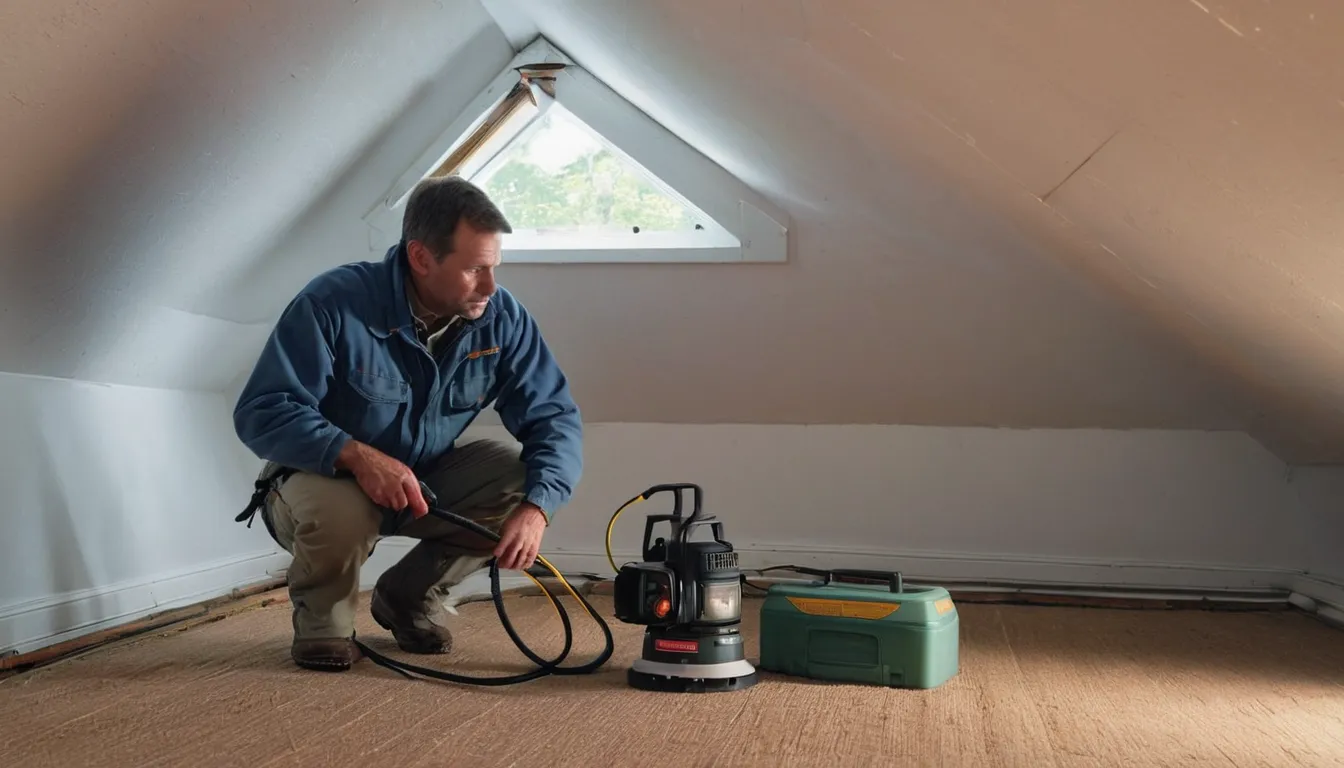
A lot of people think noises in the ceiling are just the house settling. In practice, though, it is often mice, rats, squirrels or raccoons. They chew wires, tear up insulation and leave droppings that spread through the home.
Reaffected Pest Control is a referral service. We do not send workers or remove animals. We connect homeowners in the Peapack and Gladstone area with independent providers in our network who handle rodent and wildlife removal, from trapping to sealing entry holes. Older homes get extra attention, since aging materials and past repairs often explain how animals got in. Request an estimate with no obligation, or Request a callback to check provider availability.
Scratching overhead? Start here
A lot of people think night noises are "just the house settling." In practice, though, settling does not scurry. If you hear patter, gnawing or thumping in an attic or wall, an animal is likely living there.
This page covers rodent and wildlife removal: mice, rats, squirrels, raccoons, bats and similar visitors. It starts with what is most urgent.
Myth: it will leave on its own
Some people wait for the animal to move out. Usually it does the opposite. A warm, dry attic is a great nursery, and one pair of mice can turn into a crowd fast.
Why cold weather raises the stakes
Cold snowy winters push animals indoors. Freeze-thaw cycles and spring snowmelt open new cracks in foundations and rooflines. Spring is also baby season, so a quiet fall problem can become a loud one.
Signs inside the house
- Scratching or rolling sounds in ceilings and walls
- Droppings in drawers, along baseboards or in the attic
- Chewed wires, boxes or food packaging
- Musty or sharp smells that come and go
Signs outside the house
- Gnawed holes near the roofline, vents or soffits
- Greasy rub marks along entry points
- Burrows beside a foundation
- Torn screens or loose flashing
Referral, not repair: who does what
Reaffected Pest Control makes the introduction. The independent provider does the inspection, the removal and the sealing. We do not do the work, and we do not set provider prices. Request a callback to check provider availability in your area.
Animals providers commonly handle
Providers in our network deal with house mice, Norway and roof rats, squirrels, chipmunks, raccoons, opossums, skunks and bats. Each animal needs a different method. A trap that suits a mouse is useless on a raccoon. Looking for an exterminator near me is a fine start, but ask whether the provider handles wildlife, not just insects.
Myth: poison solves everything
Many homeowners reach for poison. In practice, poisoned rodents can die inside walls, which means odor and flies. Poison can also harm pets and other wildlife. Many providers prefer traps and sealing instead.
How a visit usually goes
A provider checks the roof, foundation and attic to find where the animal is getting in. Then comes a plan: traps or one-way doors, then sealing, then cleanup if needed. Sealing is the step that stops a repeat visit.
Older house, extra care
Older houses have more surprises. Stone and block foundations develop gaps. Cape Cod style rooflines have tight knee-wall spaces. Multi-family buildings share walls, so animals can travel between units. Past repairs may hide old openings behind trim.
A careful provider checks all of this, not only the spot where you heard the noise. Some policies may cover sudden damage, so check your policy. Providers can often help document damage for a claim.
Humane handling and local rules
Rules on trapping and relocating wildlife vary by state and town. Bats and nesting animals often have seasonal protections. A good provider knows the local rules and explains them. Ask what happens to the animal before you agree to anything.
Myth: just seal the hole
Plugging an entry point sounds smart. But if the animal is still inside, it may be trapped, and it may chew a new path or die in the wall. Babies left behind are a second risk. Removal comes first, sealing second.
Choosing a removal provider
- Ask if they are licensed where your state requires it.
- Ask for a written quote that lists the sealing work.
- Ask how they handle babies and cleanup.
- Ask if repairs come with a written warranty.
Bed bug treatment is a different job, so ask for that separately. For residential pest control involving insects, see the main help page.
Keeping animals out
Trim branches back from the roof. Cap chimneys and screen vents with sturdy metal. Seal gaps around pipes and cables. Store food and pet feed in tight containers. Keep firewood off the wall of the house.
Ready to ask for help?
Tell us what you hear, where you hear it and how old the home is. We pass your request to an independent provider in the Peapack and Gladstone area. You then decide. There is no obligation.
What's Included
Inspection and entry-point check
A provider looks over the roofline, foundation, vents and attic to find exactly how animals got inside.
Trapping or exclusion
Traps or one-way doors remove animals while following local rules for handling wildlife.
Sealing and repair
Gaps and holes are closed with sturdy materials so animals cannot return.
Cleanup and odor care
Providers can often clear droppings, soiled insulation and nesting material from affected spaces.
What rodent and wildlife removal typically costs
Prices vary by animal, home size, roof height and how many entry points there are. These are typical U.S. ranges only. Always get a written quote that lists every task before work begins.
| Service | Typical range | Notes |
|---|---|---|
| Inspection | $100 – $300 | Some providers apply it toward the job |
| Mouse or rat trapping | $200 – $600 | Often needs repeat visits |
| Squirrel or raccoon removal | $250 – $800 | Depends on trap type and roof access |
| Sealing entry points | $300 – $1,500 | More gaps and older siding raise the price |
| Bat exclusion | $500 – $2,500 | Seasonal rules may affect timing |
| Attic cleanup and insulation | $1,000 – $5,000 | Depends on the size of the damage |
How It Works
Tell us the problem
Share what you hear or see, where it happens and roughly how old the house is.
We route your request
Your details go to an independent provider in our network who serves your area.
Provider inspects and quotes
The provider checks the home, explains the plan and gives you a written quote.
You choose what happens next
Say yes or no. The provider does the work, and there is no obligation to us.
Why Call Reaffected Pest Control
Plain referral, no surprises
We say it up front: independent providers do the work, and we simply make the introduction.
Older homes
Extra care for stone foundations, tight rooflines and past repairs that hide gaps.
No obligation
You can request an estimate, compare it and decide on your own timeline.
Local providers
Providers in our network serve your area and know local weather, housing and wildlife rules.
Other Services
Need rodent and wildlife removal in Peapack and Gladstone?
Have ants, mice, termites or a critter in the attic? Send a request or call to be routed to an independent provider in our network. No obligation.
No obligationRodent and Wildlife Removal FAQ
- How do I know if I have mice or squirrels in my attic?
- Timing helps. Mice are often noisy at night, while squirrels are busy by day. Droppings, chew marks and nest material also help a provider tell them apart. An inspection confirms which animal it is.
- Is it safe to handle droppings or a nest myself?
- It is wise to be careful. Dried droppings can carry germs, and stirring them up spreads dust. Many homeowners leave cleanup to a provider who has the right gear. Ask what the quote includes.
- Will my homeowners insurance pay for animal damage?
- It depends on your policy. Some policies may cover sudden damage, but many exclude long-term infestations. Check your policy, and ask the provider to help document damage for a claim.
Request a callback
Have ants, mice, termites or a critter in the attic? Send a request or call to be routed to an independent provider in our network. No obligation.
No obligation