Pest Control Help for Peapack and Gladstone Homeowners
Request an estimate from a local provider
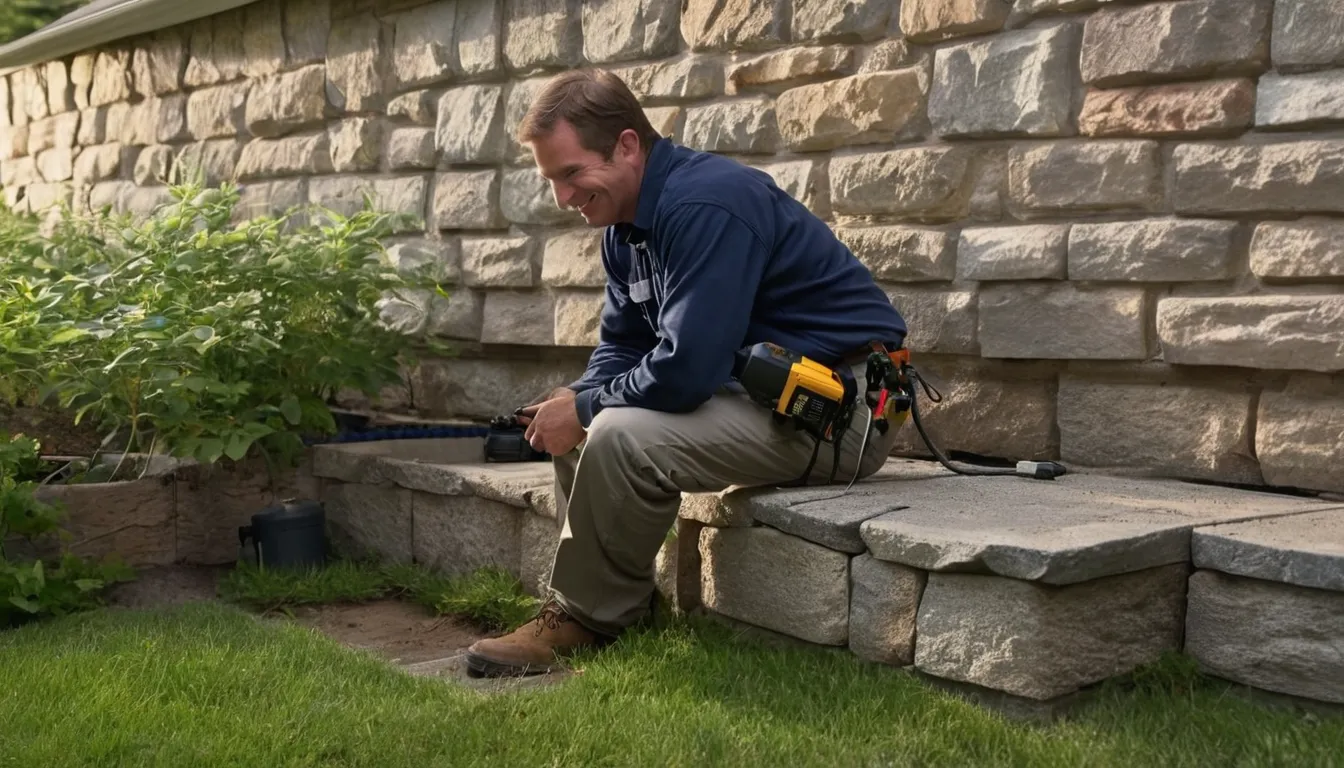
Many people think pest control means a stranger sprays the baseboards and leaves. In practice, though, good treatment starts with finding out how the pests got in and what they are eating.
Reaffected Pest Control is a referral service. We do not send workers or do treatments. We connect homeowners in Peapack and Gladstone and the Peapack and Gladstone area with independent providers in our network. The provider inspects, explains the plan, and does the work. This page explains how that works, what the common myths get wrong, and what to expect. Older houses get extra care, since past repairs often explain the problem. You will also find simple tips for helping the treatment work.
Seeing pests? Start here
A lot of people think one bug means nothing and a few bugs mean a disaster. The truth sits in the middle. One ant or spider may be a stray. A line of ants, droppings in a drawer, or bugs in daylight usually means a nest or entry point nearby.
If you are searching for an exterminator near me, the first step is simple. Note what you saw, where you saw it, and when. That helps a provider choose the right treatment.
Myth: one spray fixes everything
Spraying a room can kill what you see. In practice, though, most of the colony or nest is hidden in walls, soil or insulation. Those pests come back.
Residential pest control works well when the provider finds the source, treats it, and closes the gaps. That may take a visit or two.
Why waiting costs more
People often think they can wait for the weather to fix things. Cold, snowy winters do push pests indoors, though. Warm basements and wall spaces make a good winter home.
Then spring snowmelt and coastal storms bring moisture, which draws ants, roaches and crickets. Small problems grow quietly. A nest that is easy to treat in week one can need several visits by summer.
What pest control actually covers
Most providers in our network handle the same basic steps:
- An inspection of the house, inside and out
- Identifying the pest, since each one needs a different approach
- Targeted treatment, such as baits, gels, dusts or exterior barriers
- Advice on sealing gaps and fixing moisture
- A follow-up visit when the pest needs one
Common pests providers treat
Here are the pests homeowners ask about most:
- Ants: Trails to food or water. Baits often work better than sprays.
- Spiders: Often a sign of other bugs they are hunting.
- Roaches: Hide near plumbing and warm appliances.
- Crickets: Come in from cool, damp areas like basements.
- Mice and rats: Chewing, droppings and noises in walls.
- Termites: Mud tubes or soft, hollow-sounding wood.
Mice, rats and termites often need specialist care. Providers can tell you if yours does.
Older house, extra care
Some people think pests only invade dirty homes. They do not. Older houses simply have more doors to open. Stone and block foundations have small cracks. Full basements stay damp. Old pipe cutouts and past repairs leave gaps behind walls.
That is why a thorough inspection matters. Cottage-style homes and multi-family buildings add more wall voids and shared spaces. A provider who knows older construction will check those spots first.
A word on bed bugs
Many people believe bed bugs mean a messy home. In practice, though, they travel on luggage, used furniture and clothing. Anyone can get them.
Bed bug treatment is a different job from ant or spider control. It usually needs a careful inspection, a plan for bedding and furniture, and often more than one visit. Ask the provider exactly how they handle it.
Questions about product safety
A common worry is that pest products will make the home unsafe. Licensed providers use products made for indoor use, and they follow label directions. Many use baits and targeted placement rather than broad spraying.
Tell the provider about children, pets, aquariums and anyone with breathing problems. Ask what products they will use and how long to keep pets off treated areas. A good provider answers plainly.
One visit or an ongoing plan?
Some think a plan is always a sales trick. Sometimes it is not needed. A single ant or spider problem can often be handled with one visit and a follow-up.
A plan can make sense if you have an older home, a wooded lot, or pests that return each season. Ask what each visit includes and whether you can cancel. Get it in writing.
How your call is routed
Here is the honest part. Reaffected Pest Control is not a pest company. We do not employ the providers, and we do not do the work. When you reach out, we pass your request to an independent provider in our network that serves your area.
Request a callback to check provider availability. Call hours vary by provider, and the provider sets the price, schedule and terms. You can ask questions and decline with no obligation.
Choosing a pest control provider
Before you agree to anything, ask:
- Are you licensed in this state, and can I see it?
- Do you carry insurance?
- What will you treat, and what will it cost in writing?
- Is a follow-up included?
- How do you handle older homes?
Be wary of anyone who pushes a big contract before seeing the house.
Helping the treatment work
Many people think the provider does everything. You can help a lot, though.
- Store food in sealed containers
- Fix drips and dry damp spots
- Clear clutter near walls and in basements
- Seal visible gaps around pipes and doors
- Keep firewood and leaves away from the foundation
Then follow the provider's notes. Do not sweep away baits or spray over treated areas.
What's Included
Full Inspection
The provider checks inside and outside to find how pests get in and where they hide.
Targeted Treatment
Baits, dusts or barriers chosen for your pest, not a one-size spray.
Entry Advice
Tips on sealing gaps and fixing damp spots, especially in older foundations and basements.
Follow-Up Visits
Many pests need a second check. Ask the provider what is included in your plan.
Typical Pest Control Costs
Prices vary by pest, home size and how long the problem has run. These are typical U.S. ranges only. Always ask the provider for a written quote before work begins.
| Item | Typical range | Notes |
|---|---|---|
| One-time ant or spider treatment | $100 – $350 | Often includes a follow-up check |
| Roach treatment | $200 – $800 | May need two or three visits |
| Cricket and basement pest treatment | $150 – $450 | Moisture fixes may be advised |
| Bed bug treatment | $1,000 – $5,000 | Depends on rooms and method |
| Yearly protection plan | $300 – $700 | Usually quarterly visits |
| Large older or multi-family home | $400 – $1,200 | More space and wall voids |
How It Works
Tell us the problem
Share what you saw, where, and for how long. Photos help the provider prepare.
Get matched with a provider
We pass your request to an independent local provider in our network.
Review the plan
The provider inspects and explains the treatment and written quote.
Treat and follow up
The provider does the work, then checks if the pests are gone.
Why Call Reaffected Pest Control
Plain Honesty
We say up front that we are a referral service and that independent providers do the work.
Clear Routing
Your request goes to a provider in our network that serves your area.
Older Homes
Older house, extra care. Past repairs and old foundations often explain the problem.
No Obligation
Ask questions and compare. You decide if you want to move forward.
Other Services
Need pest control help in Peapack and Gladstone?
Have ants, mice, termites or a critter in the attic? Send a request or call to be routed to an independent provider in our network. No obligation.
No obligationPest Control Help FAQ
- Is Reaffected Pest Control an exterminator near me?
- No. Reaffected Pest Control is a referral service. We connect homeowners with independent local pest control providers in our network. The provider inspects, treats and sets the price, while we make the introduction.
- How do I know if I need residential pest control or can handle it myself?
- A single stray bug can often be handled with cleaning and sealing. If you see trails, nests, droppings, bites or repeat pests, a provider can find the source and treat it properly.
- Is pest treatment safe for kids and pets?
- Providers use products made for homes and follow label rules. Tell them about children, pets and health concerns, and ask what they will use and how long to keep areas clear.
Request a callback
Have ants, mice, termites or a critter in the attic? Send a request or call to be routed to an independent provider in our network. No obligation.
No obligation